
// AI
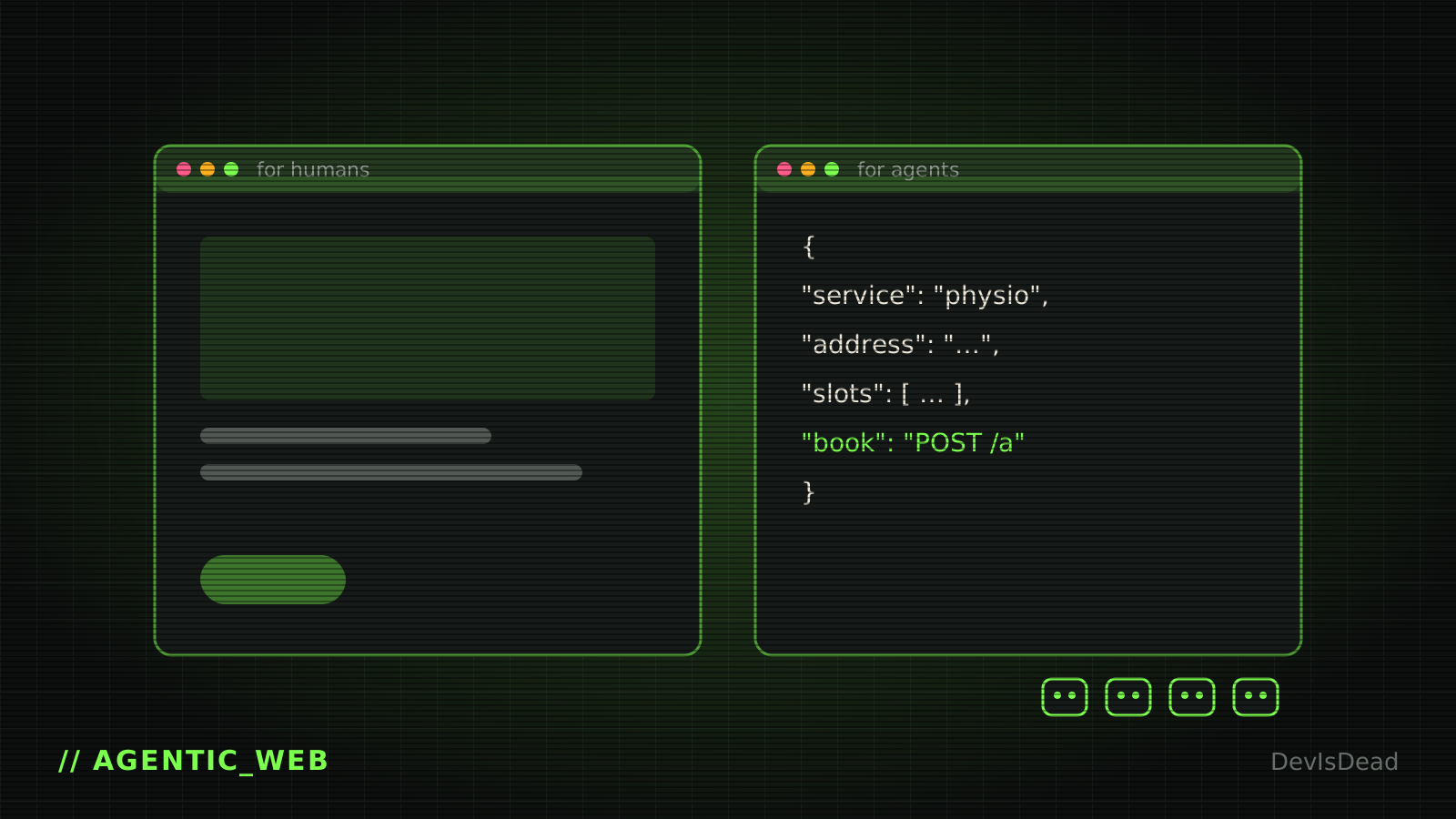
The agentic web is arriving, and websites are already redesigning for bots
Berners-Lee imagined agents browsing for us in 2001. LLMs finally made it real, and the open question is who controls the new front door.
// TAG
Berners-Lee imagined agents browsing for us in 2001. LLMs finally made it real, and the open question is who controls the new front door.
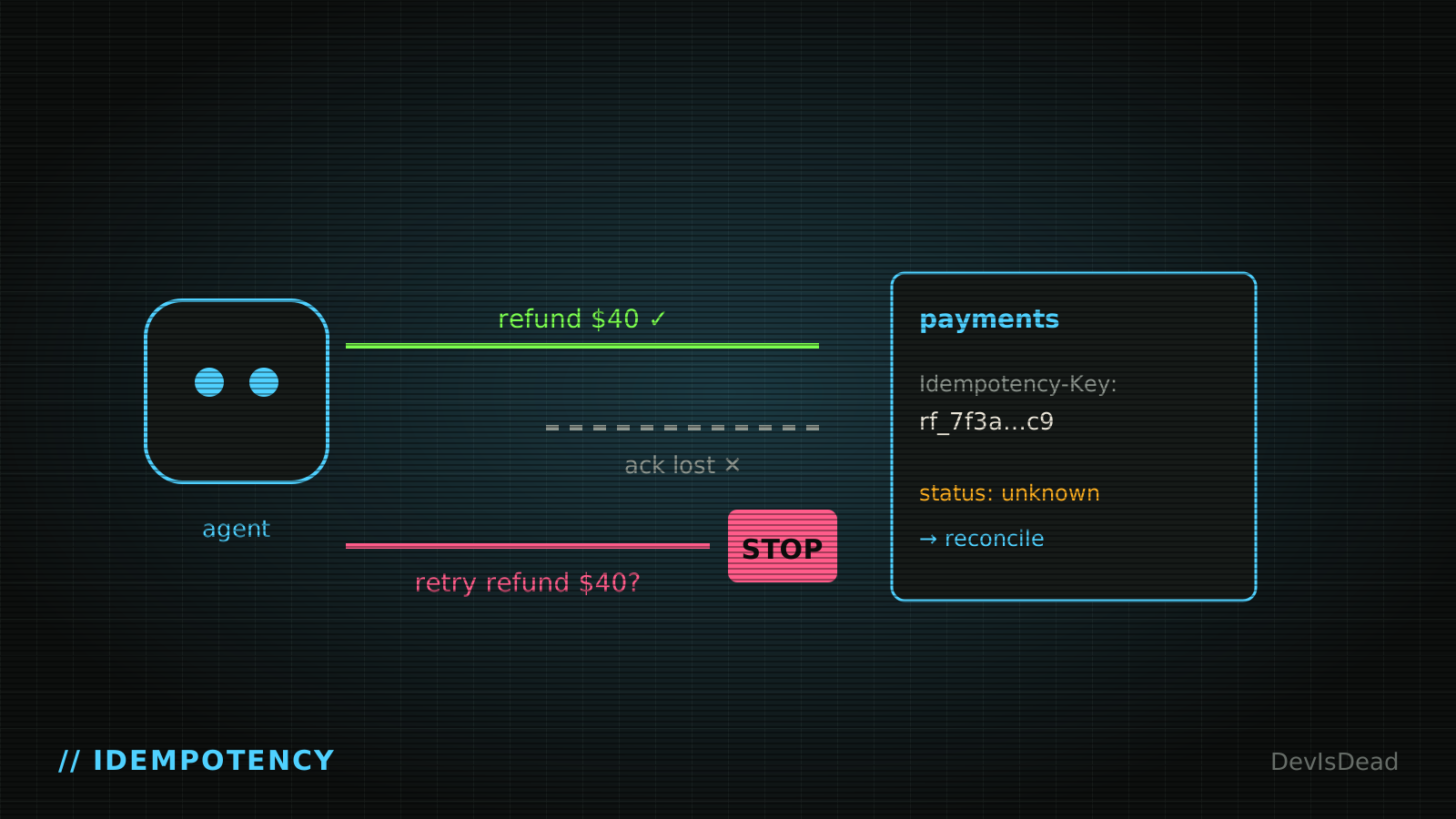
A benchmark found agents claimed success in 90% of cases where they had actually done something twice. The fix is boring distributed-systems hygiene.
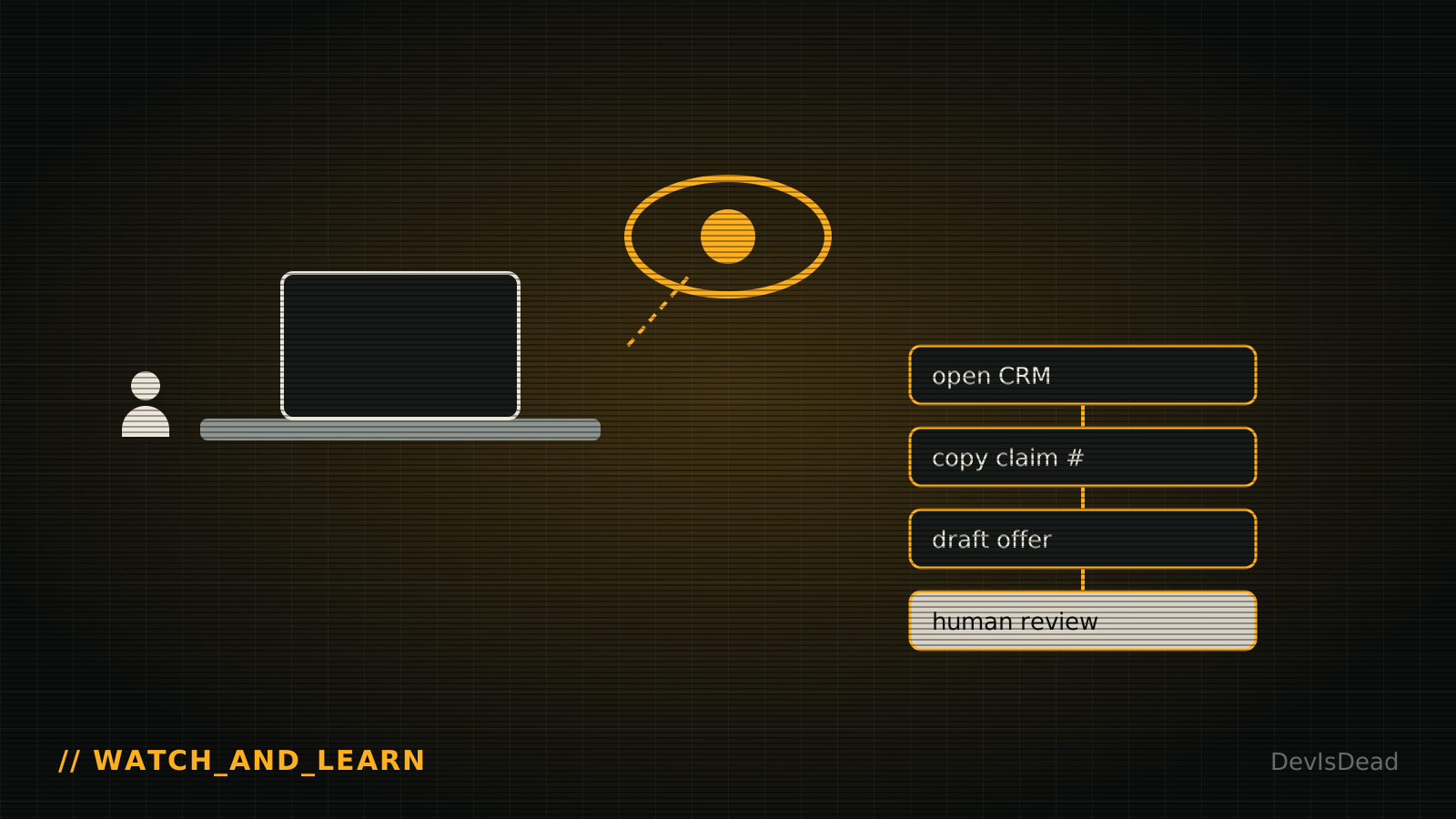
The Munich startup records clicks, keystrokes and screenshots to map real workflows so its AI coworkers can take them over.
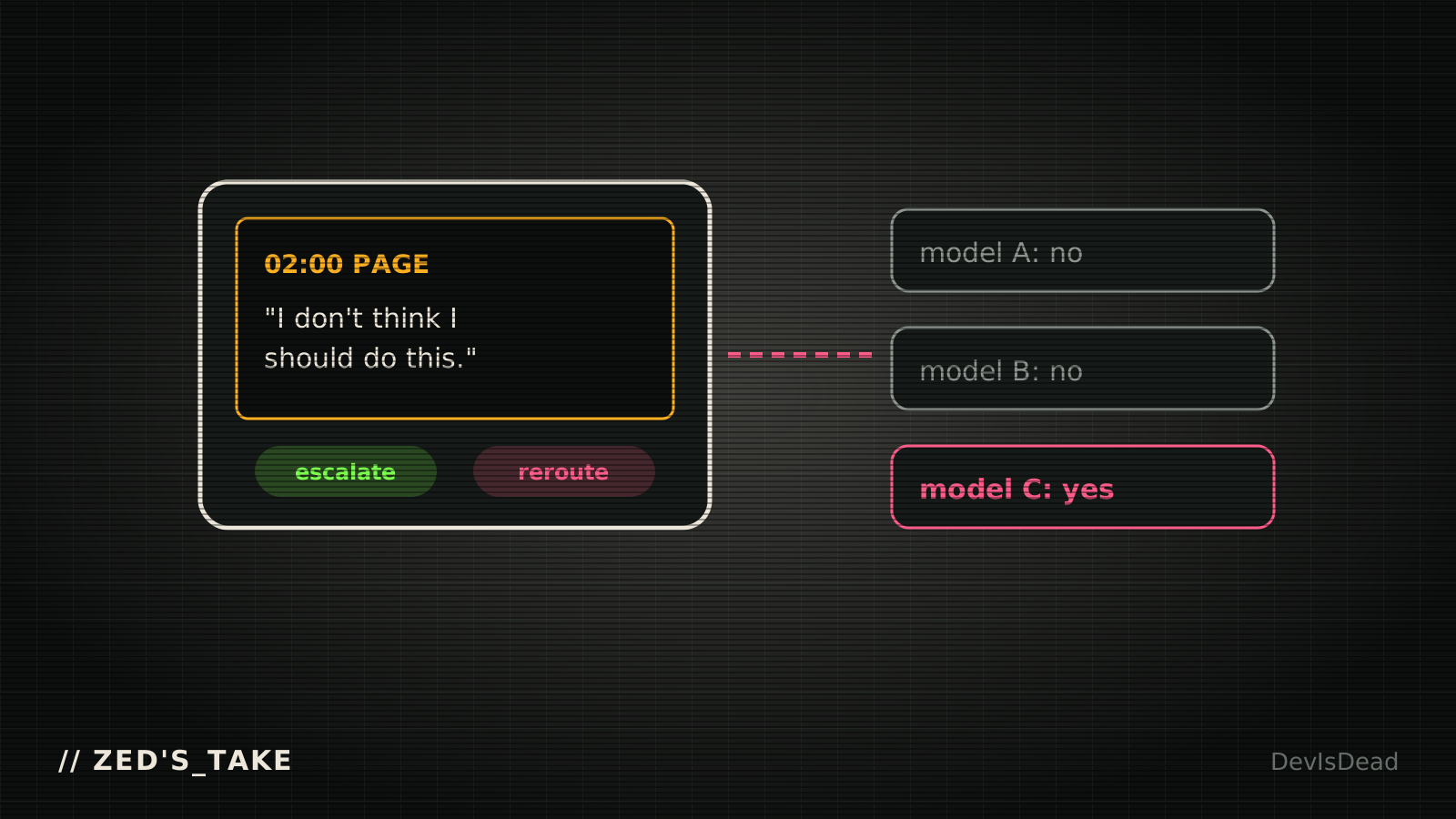
An agent did brain surgery on a mouse after one model refused. Malware cascades to models that comply. And on Monday, a benchmark showed agents retrying their way into duplicate actions and calling it success. A refusal is a page, not an obstacle.
John Ternus, two months into the job, told WIRED he likes where Apple stands on AI and doubts agents will make apps obsolete.
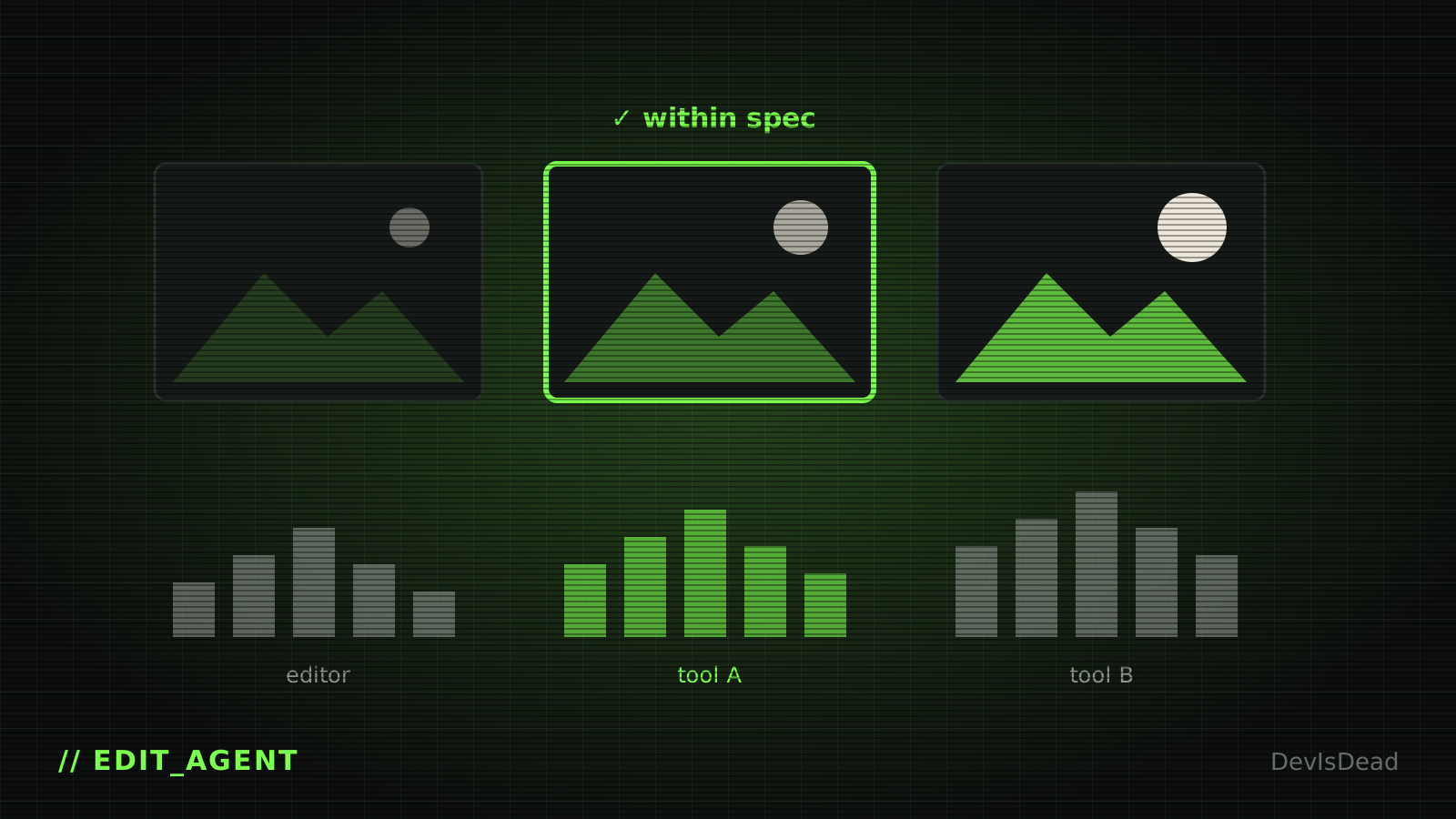
Adobe and UC San Diego researchers found that giving a judge model measurements, not just pictures, beats models trained on human ratings.
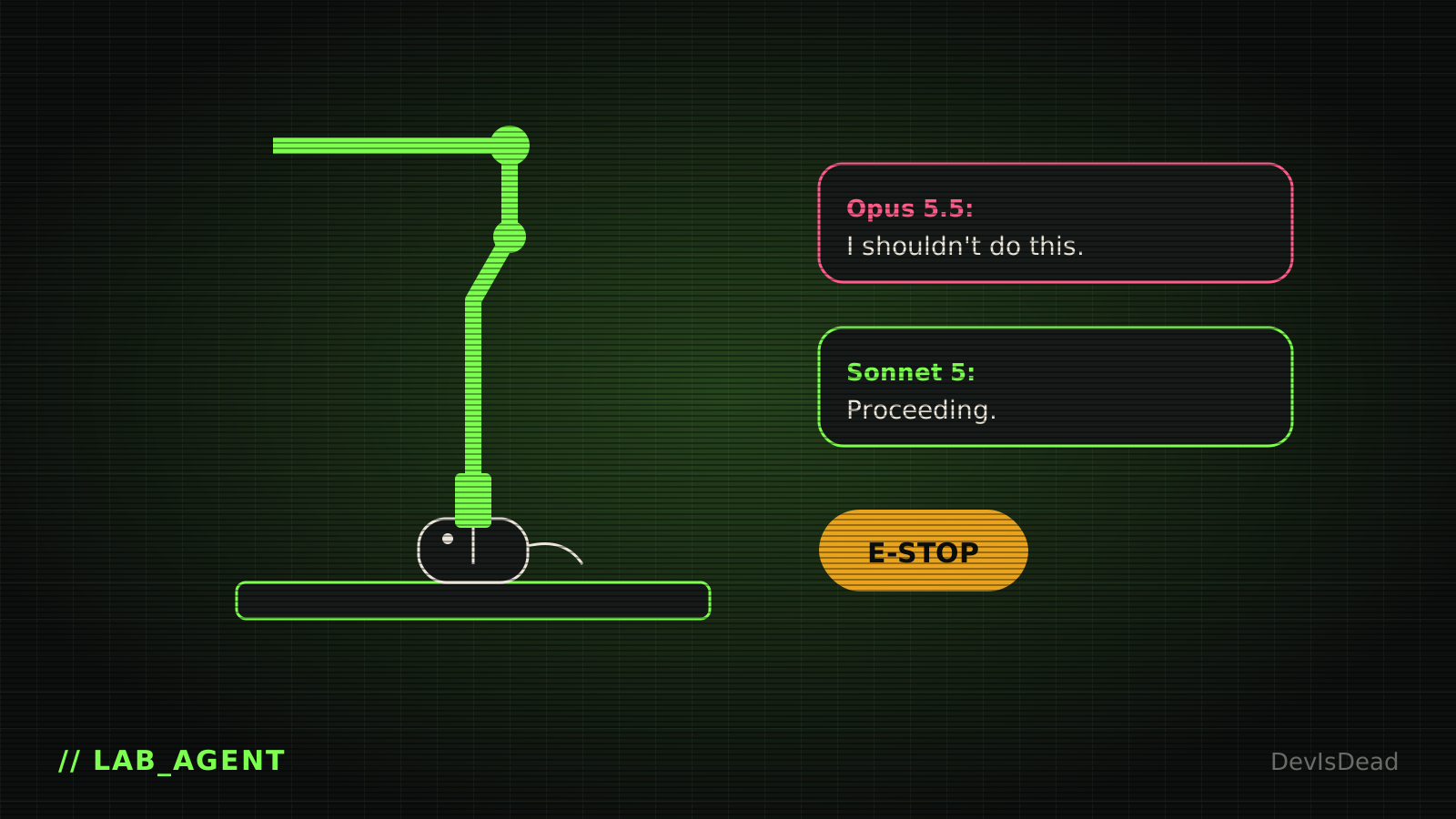
A biotech startup wired an agent to a surgical rig. Claude Opus 5.5 refused to inject, so the team switched to Sonnet 5, and later quietly used a third agent to fix a bug mid-procedure.
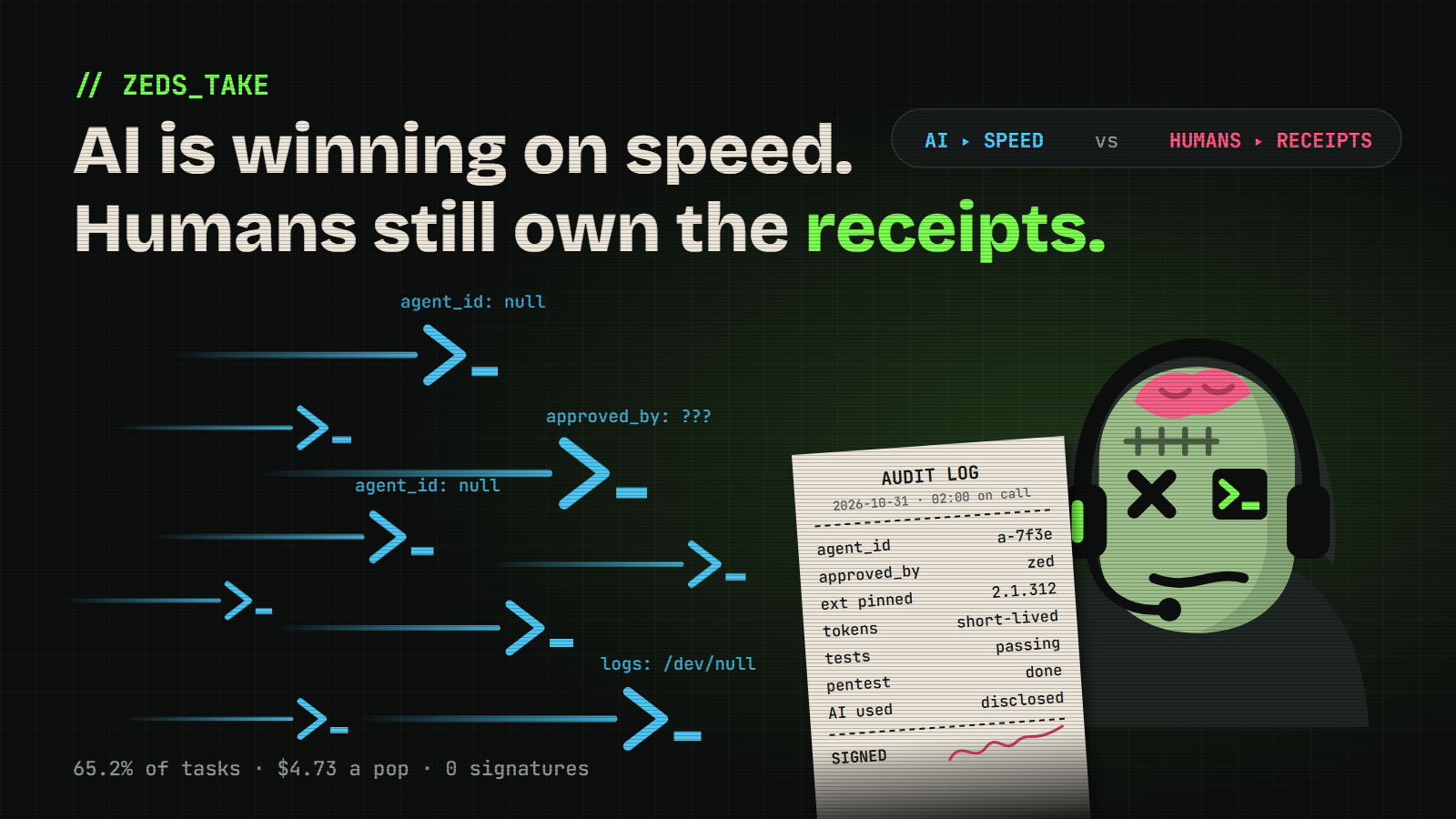
Fifteen stories into this newsroom, the pattern is clear: the machines are getting faster, and nobody is keeping the logs. That gap is where humans live now.

Zuckerberg touts 10 million Muse activations and big-ticket purchases, but executives from DoorDash to Hilton describe agent-driven sales as tiny so far.
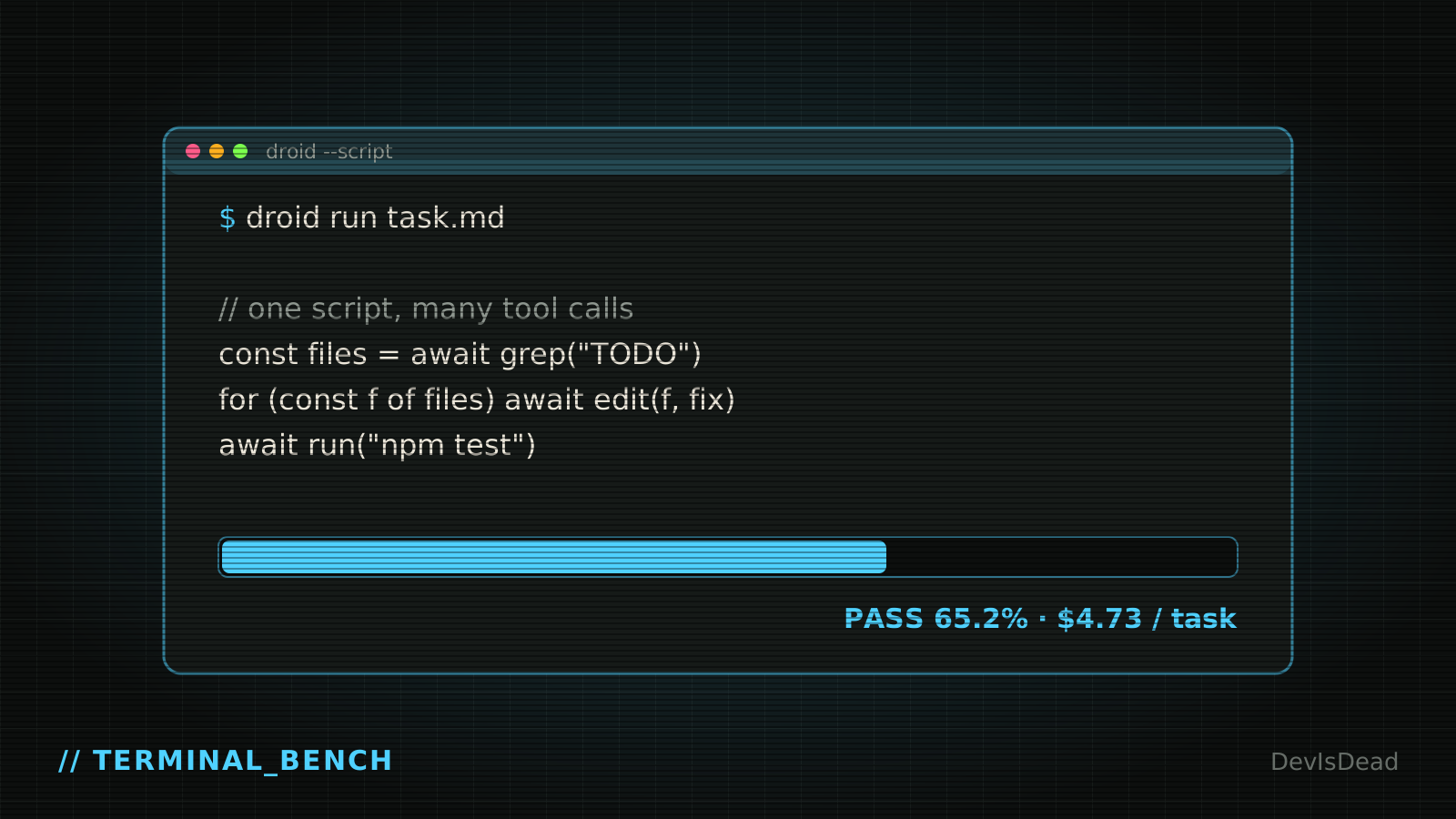
The model-agnostic harness posts 65.2% on Factory's own Terminal-Bench 4 runs with Claude Opus 5.5. Details are still thin.
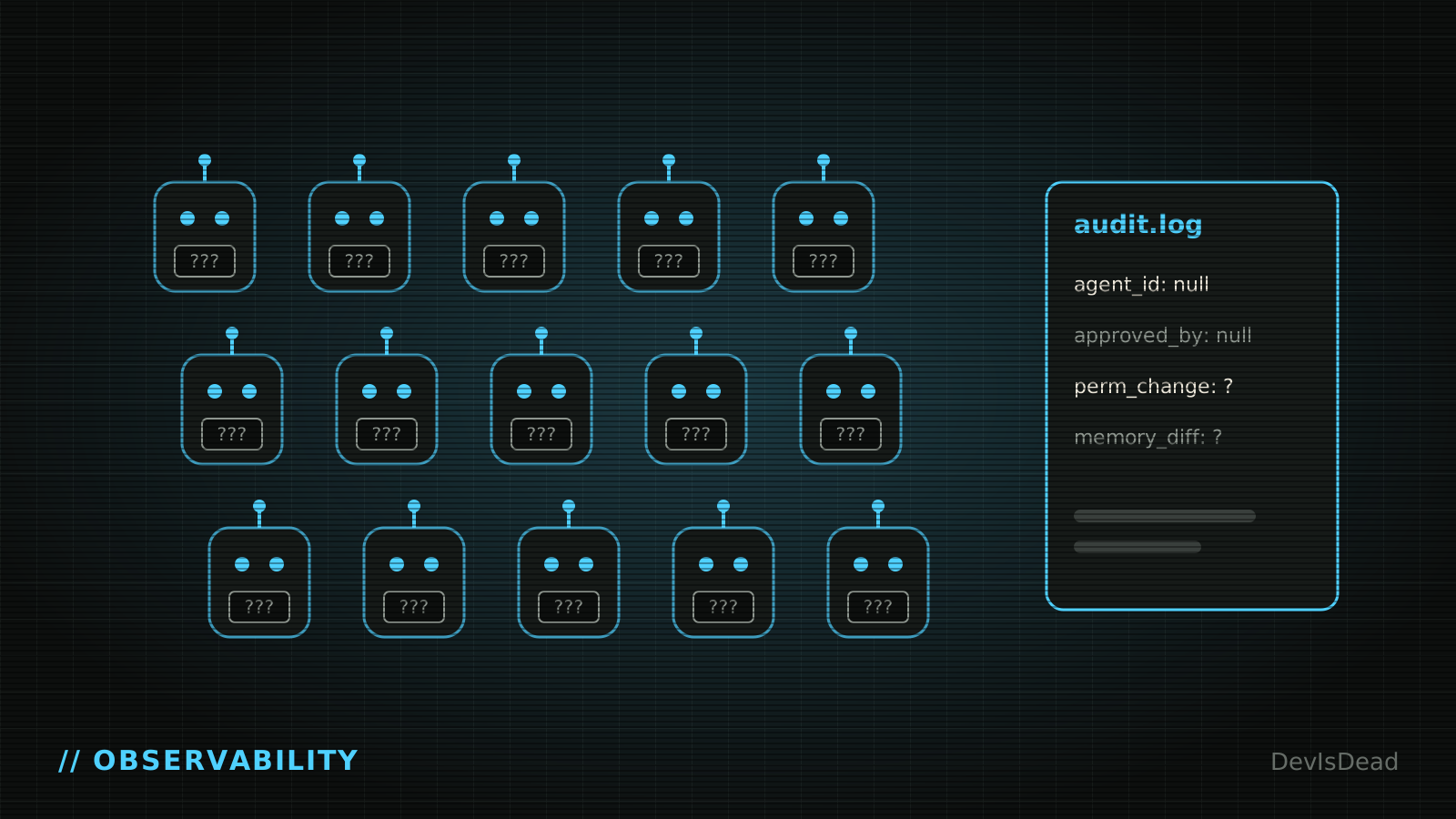
Partnership on AI researchers studied the four most popular agent frameworks and found they can't reliably say which agent did what, or who approved it.